
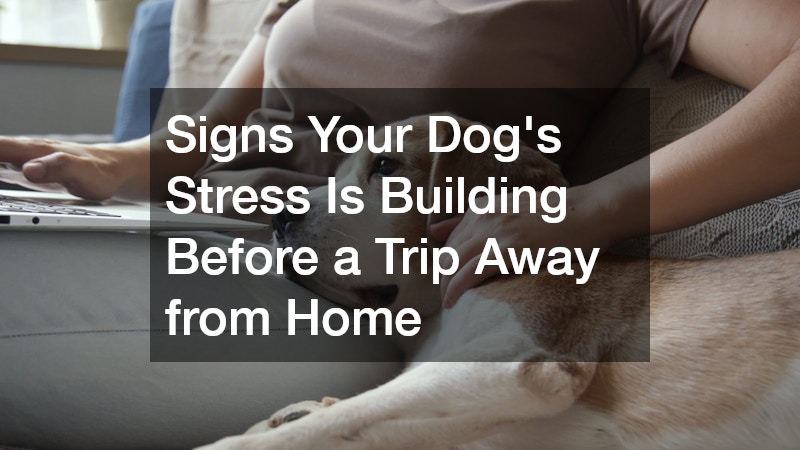
Dogs often sense a trip coming before the suitcases ever hit the floor, and that anticipation can build into real anxiety over the days leading up to departure. Left unnoticed, this stress can snowball into behaviors that make travel or time apart harder on both of you. Learning to spot the early warning signs gives you a chance to intervene with comfort, routine, and preparation before things escalate. This guide walks through the subtle and not-so-subtle cues your dog may be sending, and what to do about each one.
Changes in Appetite and Eating Habits
One of the earliest signs of pre-trip stress shows up at the food bowl. A dog who normally inhales dinner within seconds may suddenly pick at it or walk away entirely, while others swing the opposite direction and become unusually food-obsessed as a coping mechanism. These shifts often start a few days before departure, especially if your dog has picked up on cues like luggage coming out of storage or a change in your own routine.
Keeping a simple log of your dog’s eating patterns in the week before a trip can help you distinguish stress-related changes from an unrelated health issue. If appetite loss lasts more than a day or two, or is paired with vomiting or lethargy, a vet visit is worth considering rather than assuming it is purely emotional.
- Sudden disinterest in favorite treats or meals
- Eating too fast or begging more than usual
- Refusing food only around suitcases or travel gear
- Drinking noticeably more or less water than normal
Increased Clinginess and Shadowing Behavior
Dogs who suddenly won’t leave your side, follow you room to room, or paw at you for attention are often trying to soothe their own uncertainty. This shadowing behavior tends to intensify as departure day gets closer, particularly in dogs who have experienced past separations that didn’t go smoothly. It’s their way of trying to keep tabs on the one constant in their environment: you.
While it can be tempting to push your dog away when you’re busy packing, gentle reassurance in small doses actually helps more than ignoring the behavior. Short bursts of calm affection, rather than dramatic goodbyes, teach your dog that your comings and goings aren’t a big deal.
- Following you from room to room without settling
- Whining or pawing when you pick up a bag or keys
- Sitting or lying directly on your feet
- Resistance to being left alone even briefly
Restlessness, Pacing, and Disrupted Sleep
Physical restlessness is one of the clearest signals that stress is building beneath the surface. A dog who can’t seem to settle into a comfortable spot, circles repeatedly before lying down, or wakes frequently through the night may be reacting to subtle environmental cues that a change is coming. This kind of nervous energy often shows up alongside panting or yawning even when the temperature is cool and no physical exertion has occurred.
Addressing restlessness early with extra exercise, mental stimulation, or a calming routine can prevent it from escalating into more disruptive behavior like destructive chewing. Puzzle toys, longer walks, and consistent bedtime rituals in the days before travel all help burn off nervous energy in a healthy way.
- Pacing between rooms or near exits
- Difficulty settling in a normal resting spot
- Frequent position changes during sleep
- Excessive panting without physical cause
Avoidance, Hiding, and Withdrawal
Not every stressed dog becomes clingy or hyperactive; some go the opposite direction and withdraw. A dog that suddenly hides under furniture, retreats to a crate more often, or avoids eye contact may be signaling that they feel overwhelmed rather than simply tired. This withdrawal can be easy to miss if you’re distracted with trip logistics, so it helps to check in on your dog’s demeanor a few times a day as departure approaches.
If your dog has a groomer visit scheduled before the trip, watch for signs that the appointment itself is adding to their stress load rather than just the travel prep. Some dogs handle a grooming session fine on a normal week but find it overwhelming when it’s stacked on top of other changes, so timing that appointment earlier in the week rather than the day before departure can make a noticeable difference. Many dog groomers are happy to work with you on scheduling if you explain that your dog has an upcoming trip, so don’t hesitate to ask about a calmer, less rushed appointment slot.
- Retreating to a crate, closet, or under furniture
- Avoiding interaction with family members
- Reduced interest in toys or play
- Flattened ears or lowered body posture when approached
Escalated Reactivity and Warning Signs of a Bite
Stress doesn’t always look quiet. Some dogs become more reactive as their anxiety builds, showing increased growling, snapping, or guarding behavior around food, toys, or resting spots they’d normally share without issue. This escalation is your dog’s way of saying their coping capacity is maxed out, and it should never be dismissed as simple bad behavior, especially if children or unfamiliar people are around during a hectic pre-trip household.
It’s worth knowing that liability around dog bites can extend beyond the household, particularly if a stressed dog reacts poorly to a pet sitter, neighbor, or delivery person during this vulnerable period. In more serious situations, families have had to consult a dog bite lawyer to understand their responsibilities after an incident, which is a reminder that managing stress proactively is far better than dealing with the aftermath of a bite. Recognizing the early growl or stiff posture and giving your dog space can prevent a situation from escalating to that point entirely.
- Growling or snapping over food, toys, or space
- Stiff body posture or a hard stare
- Snapping at people or other pets without a clear trigger
- Increased guarding behavior around the crate or bed
Preparing a Calm Transition Before You Leave
The days leading up to a trip are the best window to reinforce routine and reduce uncertainty for your dog. Sticking to normal feeding times, walk schedules, and bedtime rituals as closely as possible signals to your dog that life is still predictable, even with suitcases around. Introducing your dog to their travel arrangements ahead of time, rather than the morning of departure, also softens the transition considerably.
If your dog will be staying somewhere other than home, a short trial stay at a dog boarding facility before the actual trip can help them acclimate to the environment, staff, and other animals without the added pressure of your absence lasting for days. This kind of practice run often reveals whether a facility is a good fit and gives your dog a chance to build positive associations before the real departure.
- Maintain consistent feeding and walk times leading up to departure
- Introduce carriers, crates, or travel bags several days early
- Schedule a trial visit if using a new boarding or sitting arrangement
- Pack familiar bedding or toys that carry your dog’s scent
Recognizing these signs early gives you the power to respond with patience and preparation rather than scrambling at the last minute. Small adjustments to routine, environment, and reassurance in the days before a trip can make a meaningful difference in how your dog handles your absence. If your dog’s stress seems severe or involves aggressive behavior, don’t hesitate to loop in your veterinarian or a professional trainer for additional support. Taking these steps now sets both you and your dog up for a smoother departure and a calmer homecoming.
