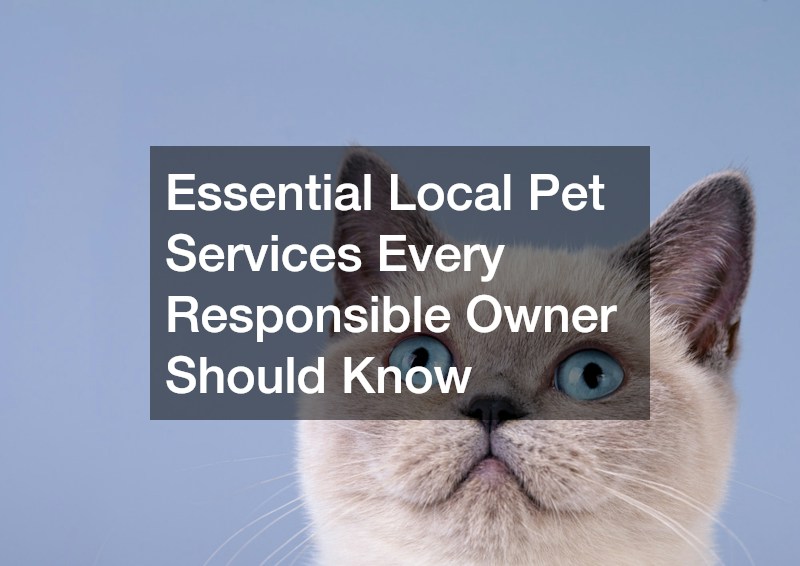
Being a dedicated pet owner means far more than just providing food, fresh water, and affection. Behind every thriving, happy animal is a robust support system of local professionals and specialized services. Whether you care for a single indoor cat, an energetic pack of dogs, or a multi-species household spread across a suburban or rural property, keeping your animals safe, healthy, and mentally stimulated requires careful planning.
Building a network of trusted local services before a crisis hits is one of the most effective ways to ensure your animals receive seamless care throughout their lives. From emergency medical care and routine health checks to boarding options, daily exercise outlets, and home sanitation, understanding how these resources fit into your long-term pet care strategy will make you a far more confident and proactive owner. Here is a comprehensive guide to the essential local services every responsible pet parent should have on speed dial.
Primary Health & Wellness: Establishing Routine Medical Care
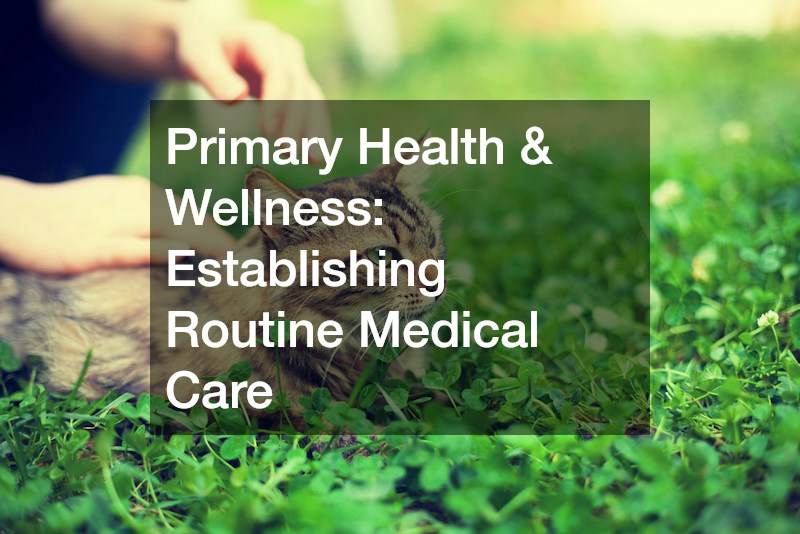
The foundation of long-term health for any animal rests on consistent, preventative clinical care. Establishing a relationship with a high-quality local clinical team ensures that your pets receive personalized wellness plans, up-to-date vaccinations, routine diagnostic screenings, and early detection for age-related conditions. A medical home also allows veterinarians to track subtle health changes over time that might otherwise go unnoticed.
How to Vet and Partner with a Trusted General Medical Facility
Finding the right primary clinical provider involves looking closely at how a facility is operated and how its staff handles patient comfort. When evaluating prospective pet hospitals, consider the following key factors:
- Low-Stress Handling and Separate Spaces: Look for facilities designed to minimize fear and anxiety. Feline-friendly practices, for instance, often offer dedicated cat-only waiting areas or examination rooms to keep feline patients away from barking dogs.
- Comprehensive Diagnostics: Ensure the facility offers in-house laboratory testing, digital X-rays, ultrasound equipment, and routine dental suites to handle complex health evaluations.
- Preventative Health Roadmaps: A great primary clinic emphasizes long-term wellness, including customized vaccination schedules, parasite control, routine blood panels, and nutritional counseling tailored to your pet’s stage of life.
- Transparent Communication: Choose a team that takes the time to explain diagnostic results, discuss treatment options, and provide clear cost estimates before moving forward with procedures.
Understanding Behind-the-Scenes Quality Indicators in Veterinary Practice
Behind the front desk and examination rooms, the operational efficiency of a clinic plays a major role in the quality of care your animal receives. A well-managed facility prioritizes low patient-to-staff ratios, continuous staff training, and robust safety protocols during surgical procedures.
When clinics experience peak seasonal demands, unexpected medical leaves, or broader industry workforce shortages, high-quality management teams frequently partner with a reputable veterinary relief staffing agency. These specialized agencies connect clinics with fully licensed, vetted locum veterinarians and experienced veterinary technicians. This ensures the practice can maintain seamless 24/7 care standards, keep appointment books open, and prevent burnout among permanent staff without compromising patient safety or clinical quality.
Immediate & After-Hours Medical Care: Handling Sudden Emergencies
Even with optimal preventative care, health crises can arise without warning. A cat might develop a sudden urinary blockage, a dog could ingest a toxic household plant, or an animal might suffer an injury during outdoor play. Knowing where to go depending on the severity of the situation saves critical time.
Assessing Acute Symptoms: When to Skip Routine Hours for Instant Care
Not every sudden illness requires an expensive, high-level trauma center, but many urgent issues cannot wait days for an open slot on a general clinic’s schedule. Knowing the difference between non-life-threatening urgent issues and critical emergencies helps you choose the right level of care:
- Urgent Condition Indicators: Minor limping, persistent scratching from acute ear infections, mild allergic reactions without airway obstruction, localized cat fight abscesses, small superficial cuts, and single episodes of vomiting or diarrhea without extreme lethargy.
- The Role of Walk-In Clinics: For these non-life-threatening issues, seeking out an urgent care veterinarian provides immediate relief and diagnostic testing. These clinics bridge the gap between primary wellness care and full-scale emergency rooms, offering lower wait times and lower costs for intermediate health issues.
Preparing an Action Plan for Middle-of-the-Night Critical Crises
True emergencies require immediate, specialized intervention at a fully equipped intensive care facility. When minutes count, having a clear action plan reduces panic and speeds up medical delivery.
- Recognizing Red-Flag Emergencies: Seek immediate emergency care if your pet displays severe difficulty breathing, sudden paralysis or weakness in the hind legs, pale or blue gums, repeated unproductive retching, active seizures lasting more than a few minutes, or confirmed ingestion of severe toxins like lily flowers or rodenticide.
- Mapping Out 24/7 Facilities: Identify the nearest emergency vet facility ahead of time, save their contact information, and map out the drive from your home. Keep a dedicated pet carrier and an emergency transport blanket accessible in your vehicle or entryway.
- Pre-Arrival Communication: Always call the emergency clinic while you are en route. Advance notice allows the trauma team to assemble necessary equipment, prepare oxygen cages, or mobilize veterinary technicians before you step through the door.
Professional Lodging & Care Away From Home
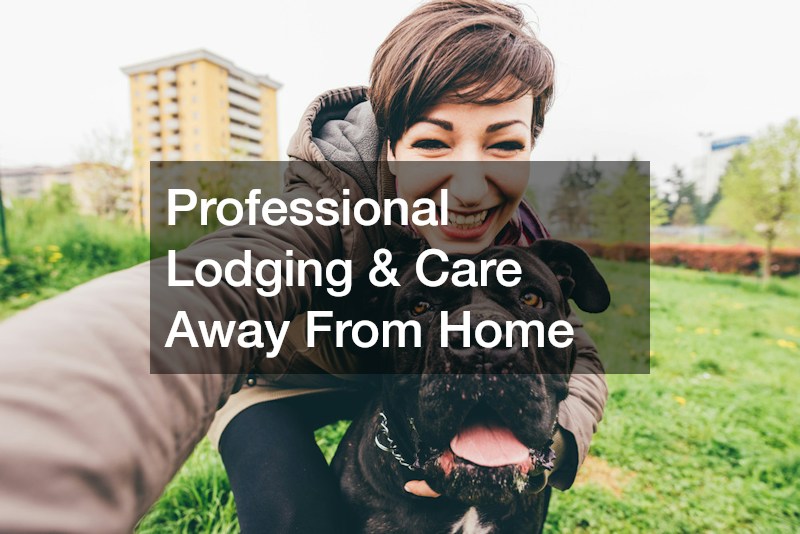
Travel is an inevitable part of life, whether for work, family obligations, or vacations. Finding safe, comfortable, and stress-free housing for your animals while you are away requires looking beyond simple convenience and assessing the environment through your pet’s eyes.
Choosing Short-Term Overnight Facilities That Focus on Low Stress
Overnight lodging facilities vary widely in their layout, noise management, and handling procedures. High-quality environments focus heavily on stress reduction and behavioral wellbeing.
- Acoustic and Visual Separation: Cats and dogs process stress very differently. Superior facilities offer completely separate housing quarters for felines, away from the sound and scent of barking dogs, complete with private perches and hiding spots.
- Sanitation and Environmental Control: Inspect facilities for modern HVAC ventilation systems that continuously circulate fresh air, reducing the spread of airborne pathogens. Look for clean, non-porous surfaces that are easy to sanitize thoroughly.
- Safety Barriers: Ensure the physical facility uses double-door containment zones at all exits, preventing accidental escapes during transfers or daily handling.
- Evaluating Staffing Standards: A top-tier boarding kennel maintains low handler-to-animal ratios, offers individualized attention schedules, and requires proof of up-to-date vaccinations (including feline leukemia, rabies, and core canine vaccines) from all guests.
Finding Trusted Regional Housing for Extended Travel Needs
For longer trips, choosing a care provider close to home offers immense peace of mind and operational ease.
- Convenience and Local Support: Utilizing a reliable local boarding kennel makes drop-offs and pick-ups hassle-free. It also ensures that if an emergency arises, the facility staff can quickly transport your pet to your primary local veterinarian who already knows their complete medical history.
- Customization for Special Needs: Look for local providers willing to accommodate strict medication schedules, custom dietary preferences, or specific behavioral accommodations for nervous or senior pets.
- Trial Stays: Before booking a long trip, arrange a single overnight test stay. This allows your pet to acclimate to the staff and facility layout while giving you a clear picture of how well they settle into the temporary environment.
Daytime Engagement & Active Social Outlets
Maintaining mental balance and adequate physical exercise is essential for preventing destructive behaviors at home. For multi-pet households, high-energy animals can sometimes disrupt the peaceful environment needed by quieter pets, such as senior cats or anxious animals. Finding dedicated daily engagement outlets keeps everyone in the home balanced.
Selecting Enrichment Outlets to Channel High Energy and Prevent Destructive Behaviors
When high-energy animals get proper mental and physical stimulation during the day, home life becomes significantly more peaceful for every resident species.
- Evaluating Group Play Dynamics: If you are considering off-site group exercise, ensure the facility conducts rigorous temperament evaluations before admission. Animals should be grouped strictly by size, play style, and energy level.
- Facility Safety Checks: Look for double-gated entryways, slip-resistant flooring, rubberized surfaces to protect joint health, and clean drinking stations distributed throughout the play zones.
- Staff Training and Supervision: Ensure the human handlers are certified in animal body language, pet CPR, and positive reinforcement management techniques to defuse overstimulation before it turns into conflict.
- Structuring Balanced Days: A great doggie daycare doesn’t just let animals run continuously until exhausted. They implement structured schedules that alternate active group play or individual enrichment games with mandatory quiet nap times in private quarters.
Property Perimeter Safety & Outdoor Containment Solutions

For owners with suburban yards, rural properties, or mixed-pet homesteads, maintaining secure physical boundaries is essential for protecting animals from external threats while keeping them safely enclosed.
Securing Multi-Pet Boundaries and Outdoor Enclosures
Whether you are building an outdoor cat enclosure (catio) or securing a sprawling property line, robust physical barriers protect your domestic animals from wildlife, traffic, and unauthorized trespassers.
- Selecting Material for Long-Term Durability: High-quality farm fencing provides an exceptional structural backbone for property perimeters, especially on larger plots where standard wooden residential fences might be cost-prohibitive or difficult to maintain over long distances.
- Preventing Escape and Intrusion: Pair a strong post-and-wire or post-and-rail framework with smaller gauge mesh along the bottom to prevent smaller pets from slipping underneath or digging out. This extra mesh barrier also keeps stray animals and wild predators from penetrating your yard.
- Customizing Enclosures for Cats: When building dedicated outdoor spaces for cats, integrate fully enclosed tops and rot-resistant framing materials. Use smooth metal flashing or inward-angled netting at fence tops to prevent agile climbers from scaling the perimeter.
- Routine Boundary Audits: Regularly walk your property line to check for soil erosion under physical barriers, fallen branches, rusted wire, or weak latch mechanisms on gates.
Domestic Environmental Hygiene & Waste Management
Maintaining a clean outdoor environment is far more than just an aesthetic priority—it is a critical health intervention for your entire household. Uncollected animal waste creates ideal breeding grounds for parasites, bacteria, and pest infestations that can easily cross back into your living space.
Mitigating Yard Pathogens to Protect House Pets
Accumulating animal waste poses serious biological hazards to both humans and animals sharing a yard space.
- Parasite and Pathogen Transmission: Waste can harbor roundworms, hookworms, whipworms, and protozoans like Giardia and Cryptosporidium. When pets walk through contaminated soil and later groom themselves, they ingest these infectious organisms.
- Protecting Feline Health: Outdoor or indoor-outdoor cats using the yard can accidentally contract intestinal parasites or track harmful soil-borne bacteria onto carpets and furniture inside the house.
- Environmental Runoff: Rainwashed waste carries nitrates, phosphorus, and dangerous coliform bacteria into local waterways, storm drains, and garden beds, damaging surrounding ecosystems.
- Establishing Routine Sanitation: Implementing a strict schedule for prompt dog waste cleanup ensures that parasites do not have time to mature into infectious larval stages in the soil, keeping your yard safe for all domestic animals.
Utilizing Dedicated Removal Services for a Safer Yard Ecosystem
For busy owners, managing large yards or multiple animals can turn daily outdoor sanitation into an overwhelming chore. Professional assistance offers a convenient, highly hygienic solution.
- Consistent Maintenance Schedules: Hiring a dedicated pet poop scooper service keeps your lawn consistently cleared on a predictable weekly or bi-weekly schedule, eliminating waste buildup before it attracts flies or ruins your grass.
- Professional Equipment Disinfection: Professional technicians sanitize their boots, scoops, and transport bins between client properties using veterinary-grade disinfectants to prevent cross-contamination of viral or parasitic pathogens between different yards.
- Eco-Friendly Disposal: Specialized removal services dispose of waste in accordance with local environmental regulations, keeping harmful bacteria out of community municipal compost streams and residential trash containers.
- Preserving Outdoor Living Spaces: Keeping your yard consistently sanitized allows multi-pet families to enjoy outdoor spaces, catios, and lawn activities without health risks or unpleasant odors.
Using This Guide as a Pet Owner

Providing top-tier care for your pets involves far more than reactive measures when something goes wrong. By proactively building a trusted network of local professionals—from primary wellness facilities and emergency medical teams to reliable lodging, exercise outlets, perimeter safety installers, and environmental sanitation specialists—you create a secure, healthy ecosystem for your entire household.
Every service provider in your local community plays a unique role in safeguarding your animals’ mental, physical, and environmental well-being. Take the time today to research local credentials, tour regional facilities, save emergency contacts, and set up routine maintenance services. Taking these actionable steps ensures that no matter what life throws your way, your pets will always have access to the highest standard of care available.
