

A sudden change in your cat’s litter box habits can feel confusing, especially when you’re not sure if it’s a minor quirk or an early warning sign. Cats are notoriously good at hiding illness, which means the litter box often tells the story before any other symptom shows up. Learning to read these changes can help you catch problems early, avoid unnecessary stress, and know when a situation calls for fast action.
This guide breaks down the most common litter box changes and what they might mean for your cat’s health.
Straining or Frequent Trips Without Much Output
When a cat visits the litter box repeatedly but produces little to no urine, this is one of the most urgent signs a pet owner can notice. It often points to a urinary blockage, which is especially dangerous in male cats due to their narrower urethra. A blocked cat can become critically ill within 24 to 48 hours if the obstruction isn’t resolved, since toxins build up rapidly in the bloodstream.
If you notice straining, crying out while trying to urinate, or repeated unproductive attempts, do not wait to see if it resolves on its own. This is one of the few litter box changes considered a true medical emergency, and contacting emergency vets right away can be the difference between a full recovery and a life-threatening crisis. Time matters enormously here, so err on the side of caution.
- Frequent, short trips to the box with little or no urine produced
- Vocalizing or appearing to strain while in the litter box
- Licking the genital area more than usual
- Visible discomfort, restlessness, or hiding behavior alongside bathroom changes
Diarrhea or Unusually Soft Stool
Loose stool that appears once might just be a reaction to a new food or treat, but ongoing diarrhea deserves closer attention. A single soft stool after a diet change or an extra-rich treat usually resolves on its own within a day. The real concern starts when it persists beyond 24 to 48 hours or keeps recurring over the course of a week. Diarrhea can signal anything from a dietary sensitivity to parasites, an infection, or an underlying condition affecting the digestive tract.
Common culprits include intestinal worms, Giardia, bacterial overgrowth, inflammatory bowel disease, and even stress or anxiety triggered by a household change. In older cats, chronic soft stool can also point to hyperthyroidism or kidney issues, so it’s not something to dismiss as just a food problem. Tracking how long the issue lasts and whether it’s paired with other symptoms helps determine how serious it might be. Watch for accompanying signs like vomiting, lethargy, blood or mucus in the stool, a sudden change in appetite, or weight loss. If diarrhea lasts more than two days, shows up with any of these red flags, or occurs in a kitten or senior cat, a vet visit is warranted rather than a wait-and-see approach.
Diarrhea or unusually soft stool can stem from something as minor as a sudden food switch or as serious as parasites, infection, or inflammatory bowel disease. A single loose stool usually isn’t cause for alarm, but a pattern over multiple litter box visits deserves attention. Dehydration becomes a real risk when diarrhea continues for more than a day or two, particularly in kittens, senior cats, and cats with existing kidney or thyroid issues. You can do a quick skin-tent check at home: gently pull up the skin between the shoulder blades, and if it doesn’t snap back within a second or two, your cat may already be dehydrated.
Watch for additional clues like lethargy, reduced appetite, hiding more than usual, or blood in the stool, as these often indicate the problem is more than a simple stomach upset. Mucus-coated stool or a notably foul odor beyond the usual can also point to an underlying infection or parasite rather than a passing sensitivity. Take note of frequency and consistency, too. Diarrhea that strikes once a day is a very different situation from a cat making repeated, urgent trips to the box, and that distinction can help your vet narrow down the cause faster.
A vet visit is warranted if symptoms persist beyond 48 hours, worsen quickly, or are accompanied by vomiting. For kittens, seniors, or cats with chronic health conditions, don’t wait out the 48-hour window at all — same-day veterinary attention is safer given how quickly they can decline.
Straining to Defecate or Signs of Constipation
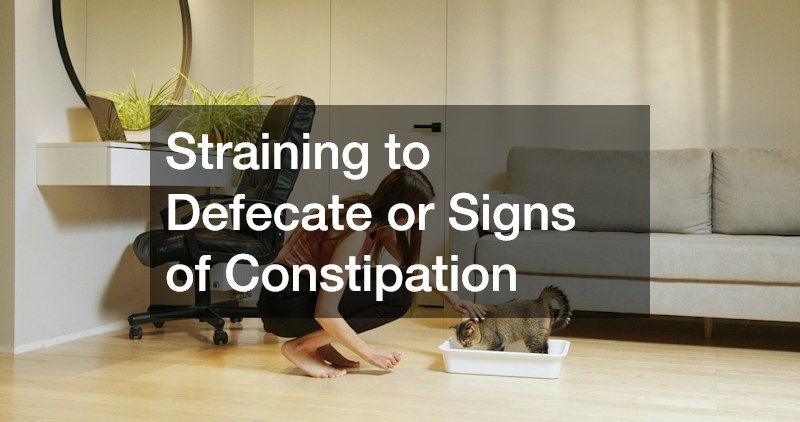
Constipation in cats can look similar to urinary straining, which is why it’s easy to confuse the two at first glance. A constipated cat may spend extended time in the box, produce small, hard pellets, or leave the box without passing anything at all. Chronic constipation can eventually lead to a condition called megacolon, where the colon loses its ability to contract properly.
Diet, hydration, stress, and even litter box location can all contribute to constipation issues. Older cats and those with arthritis sometimes avoid the box because squatting is painful, which can worsen the problem over time. If constipation becomes a recurring pattern rather than a one-off event, it’s worth discussing a long-term management plan with your veterinarian.
- Hard, dry stool or small pellet-like droppings
- Visible straining with little to no result
- Decreased appetite alongside bathroom struggles
- Lethargy or reluctance to move normally
Increased Urine Volume or Frequency
While a blockage causes too little urine, some health issues cause the opposite problem: excessive urination. This can be an early sign of diabetes, kidney disease, or hyperthyroidism, all of which are more common in middle-aged and senior cats. Owners often notice they’re scooping the box more often or that clumps are noticeably larger than usual.
Increased thirst typically accompanies this symptom, so it helps to pay attention to whether your cat is drinking more water than normal. These conditions are generally manageable with proper diagnosis and treatment, but they tend to progress if left unaddressed. A simple blood and urine panel can usually identify the underlying cause fairly quickly.
- Noticeably larger or more frequent urine clumps
- Increased water consumption
- Weight loss despite a normal or increased appetite
- Changes in coat condition or energy level
Avoiding the Litter Box Entirely
Sometimes the biggest red flag isn’t what’s in the box, but the fact that your cat has stopped using it altogether. This can stem from medical pain associated with urination or defecation, making the cat associate the box itself with discomfort. It can also be purely behavioral, triggered by stress, a dirty box, or conflict with another pet in the household.
Ruling out medical causes should always come first before assuming the issue is purely behavioral. A cat that suddenly urinates outside the box, especially in unusual spots like sinks or bathtubs, may be seeking relief from pain rather than acting out. Once health issues are excluded, addressing litter type, box placement, and cleanliness often resolves the problem.
- Urinating or defecating just outside the box rather than inside it
- Choosing unusual surfaces like tile, bathtubs, or laundry
- Increased hiding or irritability
- Multiple cats in the home showing signs of litter box competition
Conclusion
Litter box habits offer a window into your cat’s overall health, and paying attention to changes can help you act before a small issue becomes a serious one. Keep a mental note of frequency, consistency, and any behavioral shifts so you can describe them clearly if you need professional guidance. When in doubt, especially with signs of straining or distress, it’s always safer to seek veterinary input sooner rather than later. Your attentiveness today could spare your cat unnecessary suffering tomorrow.
