
Cats are curious by nature, and that curiosity often leads them straight into danger hiding in plain sight around your home. Many of the substances and objects that cause the most serious feline emergencies are things owners never think twice about, from cleaning supplies to common houseplants. Understanding these hazards can help you cat-proof your space before disaster strikes, rather than after. This guide walks through the most common household dangers that send cats into crisis and what you can do to reduce the risk.
Toxic Plants Kept Indoors and Outdoors
Many popular houseplants and garden flowers are far more dangerous to cats than most owners realize. Lilies, in particular, can cause acute kidney failure in cats even from small amounts of pollen brushed onto their fur and later ingested during grooming. Other common plants like sago palm, tulips, and azaleas can trigger vomiting, tremors, or heart problems depending on the amount consumed. Because cats often chew on greenery out of boredom or curiosity, it’s worth auditing every plant in your home and yard.
- Lilies of all varieties, including Easter and tiger lilies
- Sago palm, which can cause liver failure
- Tulip and daffodil bulbs
- Azaleas and rhododendrons
- Dieffenbachia, which irritates the mouth and throat
Human Medications Left Within Reach
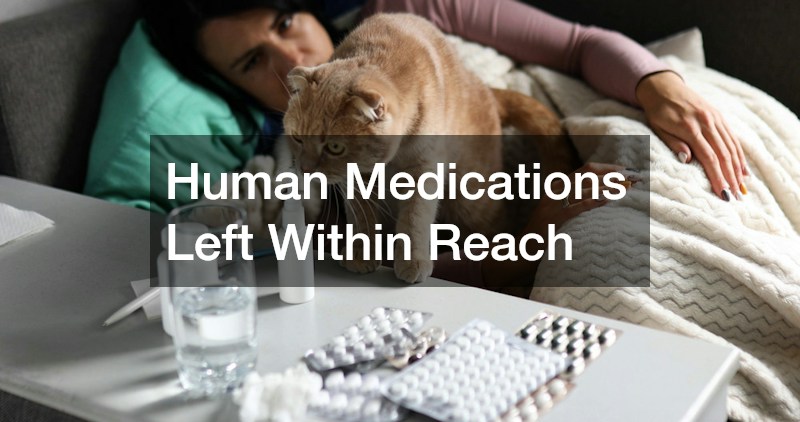
Prescription and over-the-counter medications are among the leading causes of accidental cat poisoning. A single dropped pill of certain antidepressants or blood pressure medications can cause serious harm to a cat weighing only a few pounds. Even common pain relievers like ibuprofen or acetaminophen, which are staples in most medicine cabinets, are highly toxic to cats and can cause liver damage or death within hours. Pill bottles left on nightstands or counters are an easy target for a curious paw knocking them to the floor.
Storing medications securely and never leaving loose pills on open surfaces can prevent many of these incidents. It also helps to be mindful of visitors who may set their own medications down in a guest bathroom or purse, since cats are skilled at finding small objects that roll under furniture.
Cleaning Products Stored Under Sinks
Cats often explore cabinets and cupboards, making cleaning supplies stored under sinks a frequent source of exposure. Bleach, ammonia, and concentrated drain cleaners can burn a cat’s mouth and esophagus if licked or chewed, and inhaling fumes from these products can irritate sensitive respiratory tissue. Even seemingly mild products like fabric softener sheets or dishwasher pods pose a choking or chemical burn risk if a cat decides to bat them around and bite into them.
- Bleach and other chlorine-based cleaners
- Ammonia-based glass and surface cleaners
- Concentrated laundry and dishwasher pods
- Toilet bowl cleaners left with the lid up
- Essential oil based cleaning sprays, which are toxic in concentrated form
Small Objects That Cause Choking or Blockage
Cats are drawn to small, dangling, or stringy objects, and this fascination frequently leads to serious intestinal blockages. Ribbon, tinsel, rubber bands, and hair ties are especially dangerous because a cat’s barbed tongue makes it nearly impossible to spit them back out once swallowed. These linear objects can bunch up the intestines and require emergency surgery to remove. Owners are often surprised to learn how many of these blockages happen with everyday items rather than actual cat toys.
Keeping sewing supplies, rubber bands, and holiday decorations put away when not in use goes a long way toward preventing this type of emergency. If you notice your cat vomiting repeatedly, straining to defecate, or acting unusually lethargic after playing with string-like objects, this warrants prompt attention rather than a wait-and-see approach.
Recognizing When a Situation Requires Immediate Care
Not every household mishap requires a frantic trip out the door, but certain symptoms should never be ignored. Difficulty breathing, seizures, repeated vomiting, visible pain, or collapse are all signs that a cat needs professional evaluation right away. Many emergency vets recommend keeping a pet poison helpline number saved in your phone, since staff can advise you on whether a specific exposure is dangerous before you even leave the house. Time is often the biggest factor in outcomes, especially with toxins that affect the kidneys or liver.
- Sudden vomiting or diarrhea, especially with blood
- Labored or rapid breathing
- Wobbliness, disorientation, or seizures
- Pale or yellow-tinted gums
- Unresponsiveness or extreme lethargy
Practical Steps to Reduce Everyday Risk
Prevention is far less stressful than treatment, and most household hazards can be managed with a few consistent habits. Doing a room-by-room check for hazards a couple of times a year, especially after bringing home new plants, decor, or cleaning products, can catch problems before they become emergencies. Walk through each room slowly and get down to a cat’s-eye level, checking low shelves, under furniture, and around doorways where small items tend to collect. Pay particular attention to seasonal changes, since holiday décor, lilies in bouquets, and new houseplants are common culprits that suddenly appear in a home. Kitchens and bathrooms deserve extra scrutiny, as this is where medications, essential oils, and cleaning concentrates are most often left within paw’s reach. It also helps to designate cat-free zones for storing chemicals, medications, and small craft supplies behind secured doors. Childproof latches on cabinets, lidded storage bins, and closed closets work well for items like rubber bands, hair ties, sewing supplies, and antifreeze. Even a few minutes spent double-checking that trash cans have secure lids and that laundry rooms stay closed can prevent a costly middle-of-the-night trip to the emergency vet.
- Store all medications, including your own prescriptions and vitamins, in closed cabinets — never on nightstands, counters, or purses cats can access
- Choose cat-safe plants like spider plants or Boston ferns, and keep toxic ones (lilies, sago palm, pothos) entirely out of the house, since even airborne pollen can be dangerous
- Secure cleaning supplies, laundry pods, and pesticides with childproof latches on low cabinets, not just closed doors cats can nose open
- Dispose of string, ribbon, rubber bands, hair ties, and dental floss immediately in a lidded trash can, as these can cause life-threatening intestinal blockages
- Keep a pet first aid kit stocked with gauze, saline, and a pet-safe antiseptic, along with a visible list of emergency vet and poison control numbers
- Do a monthly “cat’s-eye” walkthrough of each room, checking counters, floors, and low shelves for anything new that could pose a risk
Most of these hazards are easy to overlook simply because they blend into everyday life, yet a little awareness can prevent a lot of heartbreak. Take some time this week to walk through your home with a critical eye and remove or secure anything that could put your cat at risk. If an accident does happen, acting quickly and knowing where to turn for help can make all the difference in the outcome.
