
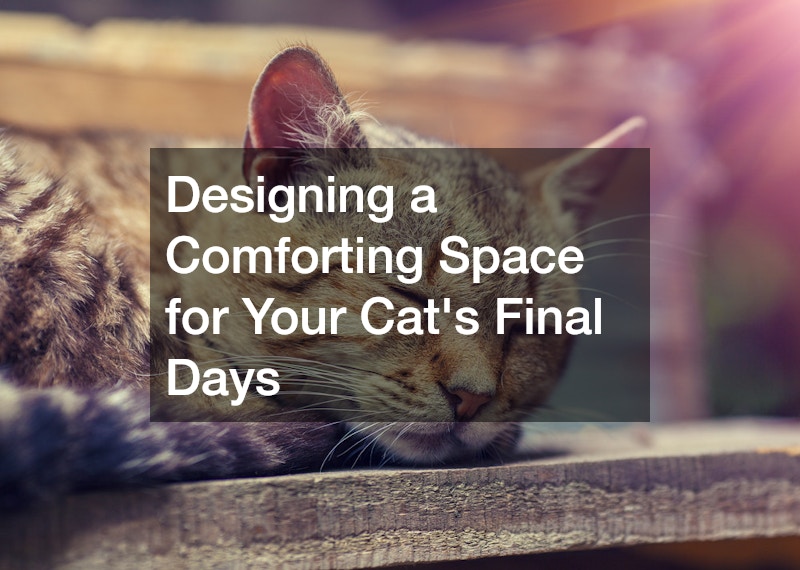
When a cat enters the final chapter of life, the environment around them matters far more than most owners realize. Pain, cognitive decline, and physical weakness change how cats perceive space — what felt safe before may now feel overwhelming. The instinct to do more, buy more, or constantly intervene can actually work against your cat’s comfort.
The real task is quieter: stripping the space down to what genuinely helps, and building it around your cat’s current state rather than who they used to be.
Reading What Your Cat Actually Needs Right Now
Cats in decline communicate discomfort through behavior, not vocalization. A cat who stops using a favorite perch isn’t being stubborn — they likely can’t manage the jump anymore. One who hides in odd places may be seeking darkness and stillness that their usual spots no longer provide. These behavioral signals are the most reliable guide to what the space needs to become.
The key question isn’t “what did my cat love?” but “what is my cat seeking right now?” Senior and terminally ill cats typically prioritize warmth, low stimulation, and surfaces that are easy to reach without effort. Most owners try to recreate comfort from the cat’s healthier years, which can backfire — a cozy spot at window height becomes inaccessible, and a busy household corner that once felt social now feels chaotic.
Before rearranging anything, observe your cat for a full day. Note where they rest most, whether they’re choosing warm or cool surfaces, and whether they’re moving away from noise and light. That observation tells you more than any guide can.
- Move food, water, and the litter box within a 6-foot radius of your cat’s primary resting spot to eliminate unnecessary walking.
- If your cat favors one room, close off the rest of the house temporarily so their world becomes smaller and easier to navigate.
- Watch for a preference for hard floors over soft bedding — some cats with joint pain or nausea find firm, cool surfaces more tolerable.
Building the Physical Space Around Comfort and Access
The physical setup should solve three practical problems: thermal regulation, surface ease, and low-stimulation rest. Senior and ill cats lose the ability to thermoregulate efficiently, which means they chill faster than a healthy cat and may seek warmth obsessively or, if feverish, cool tile instead.
A self-warming orthopedic pet bed — the kind that reflects body heat without electricity — is generally preferable to a heated pad for unsupervised use. Heated pads set too warm, or left on continuously, carry burn risks for cats with reduced mobility or decreased sensitivity. Place the bed at floor level or use a shallow ramp no steeper than a 15-degree incline if the cat has an established preference for a slightly elevated spot.
Litter box access is a point where many owners underestimate the problem. A standard litter box with a 5-inch entry wall becomes a genuine barrier for a cat with arthritis or muscle wasting. A shallow storage container lid, a low-sided puppy box, or a box with one side cut down to about an inch solves this without requiring a new product purchase.
Sound and light deserve the same attention as physical setup. Fluorescent lighting that hums, a TV playing constantly nearby, or foot traffic from other pets all add stress. A dim, quiet corner with a familiar scent — a worn piece of your clothing placed near the bed — can do more for a cat’s calm than any purchased product.
- Use a self-warming orthopedic bed rather than an electric heating pad to eliminate the risk of thermal injury during unsupervised rest.
- Cut one side of a standard litter box down to 1 inch using a utility knife if a low-entry box isn’t available — this takes under five minutes.
- Place a worn shirt or pillowcase near the sleeping area; familiar human scent measurably reduces stress behaviors in cats.
Managing Other Pets and Household Dynamics
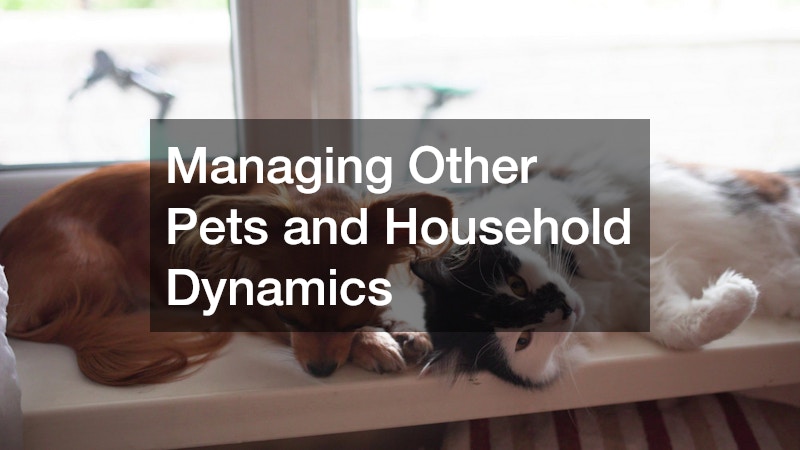
A multi-pet household adds a layer of complexity that often goes unaddressed until something goes wrong. Healthy cats and dogs don’t always recognize when a companion is vulnerable — they may approach for play, competition over resources, or social hierarchy behavior that the ill cat has no capacity to manage. The result is chronic low-level stress, which can worsen pain perception and accelerate decline.
The clearest solution is controlled separation — not isolation, but creating a space the ill cat can reach and the others cannot. A baby gate with a small cat door cut into it works well; the ill cat passes freely, others cannot follow. If the household has a dog, this becomes especially important during feeding times and overnight.
Owners sometimes hesitate to separate pets emotionally, assuming companionship from a bonded animal will comfort the ill cat. That assumption holds in some cases and fails in others. Watch whether the healthy pet’s presence causes the ill cat to tense, move away, or stop eating. If those behaviors appear, separation is the right call regardless of how close the animals were before illness.
End-of-life planning also involves deciding where and how the final moments will happen. Many families now arrange in home pet euthanasia so that the cat doesn’t have to travel in their last hours — a consideration that makes the home environment itself the final, most important space the cat will know.
- Install a baby gate with a 7-inch cat-sized opening to allow the ill cat free movement while keeping other pets out of the designated rest area.
- Feed the ill cat in their separate space at every meal, not just occasionally, to prevent resource competition from adding stress.
What to Leave Out — and Why Restraint Matters
The instinct in crisis is to add: more supplements, more stimulation, more interaction. But the evidence from veterinary palliative care consistently points the other direction. Cats under physical stress benefit from fewer decisions, fewer sensory inputs, and fewer demands on their energy.
Essential oils, plug-in air fresheners, and scented candles are common additions families use to make a space feel fresh or calming. For cats with compromised respiratory function or liver disease, many of these are actively harmful — felines metabolize aromatic compounds differently than humans or dogs, and even lavender or euclidean, widely marketed as “pet-safe,” carries real risk. Stick to unscented cleaning products and let the cat’s own familiar scents define the space.
Interaction should follow the cat’s lead entirely. A cat who seeks contact benefits from gentle, slow touch. One who withdraws should not be pulled back into engagement to satisfy the owner’s need for connection. This is one of the harder trade-offs of this period — the restraint required often feels like neglect, but it isn’t.
- Remove all plug-in air fresheners, scented candles, and essential oil diffusers from any room the cat uses, without exception.
- Limit visitors to one or two people the cat knows well, and keep visits under 20 minutes if the cat shows signs of fatigue.
- Check that any cleaning product used near the bed or litter area is labeled free of phenols — a common ingredient toxic to cats at low exposure levels.
Making the Decision When the Space Is No Longer Enough
There comes a point where environmental adjustments can no longer address the underlying reality. Comfort design buys time and improves quality of life, but it is not a substitute for veterinary assessment of pain levels or prognosis. Owners who have invested effort into building a careful space sometimes find it harder to recognize when that space has served its purpose.
Watch for changes that the environment cannot fix: refusal of food and water for more than 48 hours, inability to reach the litter box despite modifications, or the kind of stillness that signals withdrawal rather than rest. These are the signals that shift the conversation from comfort design to end-of-life decisions. A veterinarian experienced in palliative care can help frame those decisions clearly, without judgment. The space you built was an act of care — recognizing when it’s complete is part of that same care.
